

Pilates Private Class: A Beginner’s Guide to Personalised Training
Introduction: What is a Pilates private class?
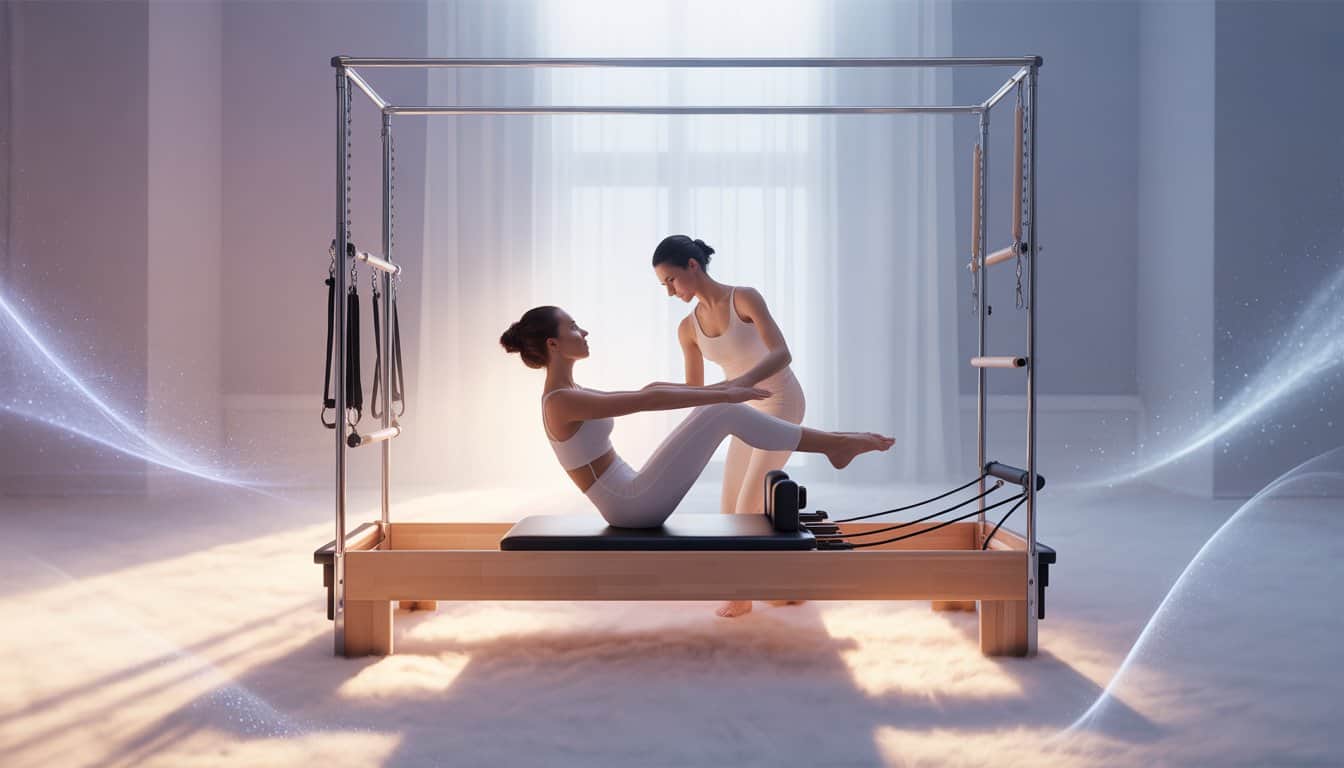
When I first tried a pilates private class, I was curious, a bit nervous, and excited to have personalised attention. A pilates private class is a one-to-one session between you and a certified instructor where exercises are tailored to your body, goals and any injuries. Unlike group classes, private sessions let the teacher correct your form closely, adapt movements to suit you, and progress at your own pace.
Private lessons can use mat work or specialised equipment like the Reformer, Cadillac or Chair, depending on the studio and your goals. For beginners, this personalised approach builds confidence and a solid foundation before joining group classes.
Benefits of choosing a private session
I’ve found that the benefits of a pilates private class go beyond just exercise. First, you get personalised attention, so you learn correct alignment and breathing from the start. This reduces the risk of injury and helps you feel results sooner.
Second, private classes let us address your specific goals—rehab after an injury, improving posture for desk work, building core strength for sports, or just relieving back pain. The focused feedback and customised progression make a big difference for beginners (Blog posts).
What to expect in your first private session
Initial assessment and goal-setting
At the start, I’ll ask about your medical history, any pain or injuries, and what you hope to achieve. Expect simple movement tests to check your mobility and posture. This helps me design a class that’s safe and effective for you.
Typical structure of the session
A beginner private class often begins with breathing and core activation, followed by gentle mobility work and basic pilates exercises. If equipment is used, I’ll demonstrate and set it up for your body. Sessions usually finish with stretches and notes for practice at home.
How progress is tracked
I keep the sessions goal-focused. We might record small milestones—longer holds, improved range, or less pain during daily tasks. Regular re-assessments help me tweak your program so you keep progressing safely.
How to choose the right instructor
Qualifications and experience
Look for instructors with recognised pilates certifications and continuing education. I value teachers who study anatomy and rehabilitation techniques because they handle injuries more confidently. Organisations like the Pilates Method Alliance set professional standards that many good instructors follow (pilates private class).
Teaching style and communication
Teaching style matters—some instructors are hands-on and cue a lot, others give more space and verbal cues. I recommend trying a short trial session to see if the instructor’s communication suits your learning style. A warm, patient teacher makes beginners feel safe and motivated.
Studio environment and equipment
Check the studio for cleanliness and well-maintained equipment. A comfortable environment helps me relax during the session, and good equipment ensures safer, more effective workouts.
Preparing for your private class
What to wear and bring
Wear comfortable, form-fitting clothes so your instructor can see your alignment—leggings and a fitted top work well. Bring a water bottle and a small towel. If you have a doctor’s note or past scans for an injury, bring those details to help the instructor plan your session.
How to set realistic expectations
Progress takes time, especially if you’re rehabbing or building new movement patterns. I tell my clients to expect small wins—better posture, less discomfort, clearer breathing—over weeks, not days. Consistency matters more than intensity at the start.
Tips to get the most from your private sessions
Be honest with your instructor about pain, progress and how much home practice you’ll do. I usually give simple take-home exercises that fit into daily life—five to ten minutes of breathing or pelvic tilts—that compound over time.
Keep an open mind, ask questions, and give feedback about what feels helpful. With regular private sessions and a little practice between classes, you’ll build a strong, sustainable pilates practice that supports everyday movement and wellbeing (Ikub Magazine; Contact Us; privacy policy; National Geographic’s latest geography feature).
