

Common Centrifuge Types Explained: Micro, Refrigerated, High-Speed, and More
Centrifuges separate particles by centrifugal force and come in distinct types for different needs. Microcentrifuges handle small-volume rapid spins for tubes and PCR strips Fixed angle rotor. Refrigerated models control temperature for heat-sensitive biomolecules. High-speed and ultracentrifuges achieve extreme RCF for fine fractionation and macromolecule isolation. Rotor choices—fixed-angle, swinging-bucket, specialty—determine sedimentation paths and compatibility. Accessories and sealed adapters expand utility and sterility. Further information explains selection criteria, rotor matching, and practical operational tips.
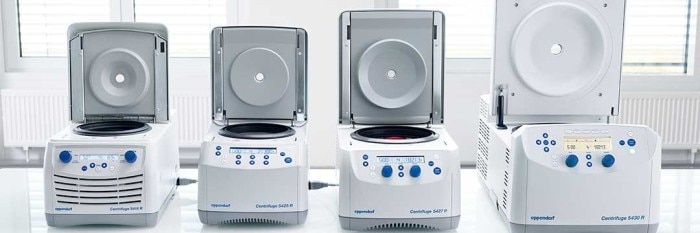
Overview of Centrifuge Basics and Key Specifications
Although often perceived as simple spinning devices, centrifuges are precision instruments that separate components of a mixture by applying controlled radial acceleration. The overview outlines essential specifications: rotor type, maximum speed (RPM), relative centrifugal force (RCF), capacity, temperature control, and run programmability. Operators must understand how these parameters influence separation efficiency and sample integrity. Clear guidance on safety protocols and manufacturer-recommended maintenance schedules preserves performance and reduces downtime. Selection should balance throughput https://laballiance.com.my/, resolution, and operational freedom—choosing configurable systems that match workflow needs without unnecessary constraints. Technical datasheets, calibration records, and compatibility with existing lab infrastructure inform procurement. This concise summary equips decision-makers to specify centrifuges that deliver reliable, reproducible results while maintaining operational autonomy.
Microcentrifuges: Small-Scale Rapid Spinning
In compact bench-top form, microcentrifuges deliver high-speed, small-volume separations essential for molecular biology and clinical workflows. These units prioritize rapid pellet recovery from microtubes and PCR strips, using specialized tube adapters to secure varied formats. Design emphasizes straightforward controls and quick spin cycles, enabling efficient workflows without complex setup. Noise mitigation features such as balanced rotors, insulated lids, and soft-start motors preserve a focused workspace. Portability is a consideration: lightweight models support field portability for mobile labs or point-of-care testing while maintaining necessary g-forces for nucleic acid or protein pelleting. Maintenance needs are minimal; routine cleaning and rotor inspection sustain performance. Microcentrifuges consequently offer dependable, flexible separation for users seeking autonomy and streamlined bench operations.
Refrigerated Centrifuges: Temperature-Controlled Separation
When precise temperature control is required for biomolecules or heat-sensitive samples, refrigerated centrifuges provide consistent cooling during high-speed spins to preserve integrity and reproducibility. Designed for labs that value operational freedom, these units enable a cold workflow that maintains sample integrity from start to finish. Robust seals, controlled defrost cycles, and intelligent airflow minimize frost formation while ensuring reliable temperatures. Programmable settings allow protocols to be replicated without compromise, and safety interlocks protect specimens and operators. Modern models balance performance with energy efficiency through variable-speed compressors and smart standby modes. Selection focuses on capacity, temperature range, and ease of use so users retain autonomy over experiments while safeguarding delicate materials and maintaining laboratory throughput.
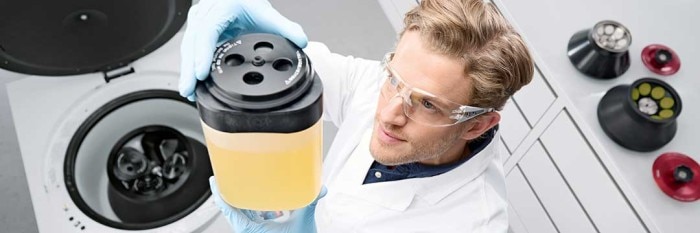
High-Speed and Ultracentrifuges: For Fine Fractionation
Moving from temperature-controlled separation, high-speed and ultracentrifuges focus on generating extreme relative centrifugal forces to resolve particles and macromolecules by size, shape, and density. These instruments enable fine fractionation for applications such as organelle isolation, viral purification, and macromolecular characterization. Success depends on careful gradient optimization to sharpen boundaries between closely migrating species and on meticulous rotor balancing to prevent damage and guarantee reproducible sedimentation. Operators choose protocols that prioritize sample integrity, run time, and desired resolution, often combining step or continuous density gradients with precise speed and time control. Maintenance and adherence to safety limits preserve performance and autonomy in the lab. The result is high-resolution separations that expand experimental freedom while demanding disciplined technique.
Rotor Types, Accessories, and Matching Centrifuges to Applications
Atop the centrifuge’s core, rotor selection and accessory compatibility determine what separations are feasible and how reliably they perform. Rotor types—swinging-bucket, fixed-angle, and specialty designs—dictate sedimentation paths and throughput. Angle head rotors suit dense pellet recovery and rapid spins; swing-buckets favor gradient separations and gentle layering. Accessories such as adapters, sealed buckets, and biosafety lids expand utility; single use adapters reduce cross-contamination risk and simplify workflows where sterility and trace freedom matter. Matching centrifuge to application requires balancing speed, capacity, temperature control, and sample integrity. Users seeking autonomy benefit from modular systems that accept diverse rotors and accessories, enabling method migration without restrictive vendor lock-in. Proper selection minimizes rework, protects samples, and secures reproducible results.
